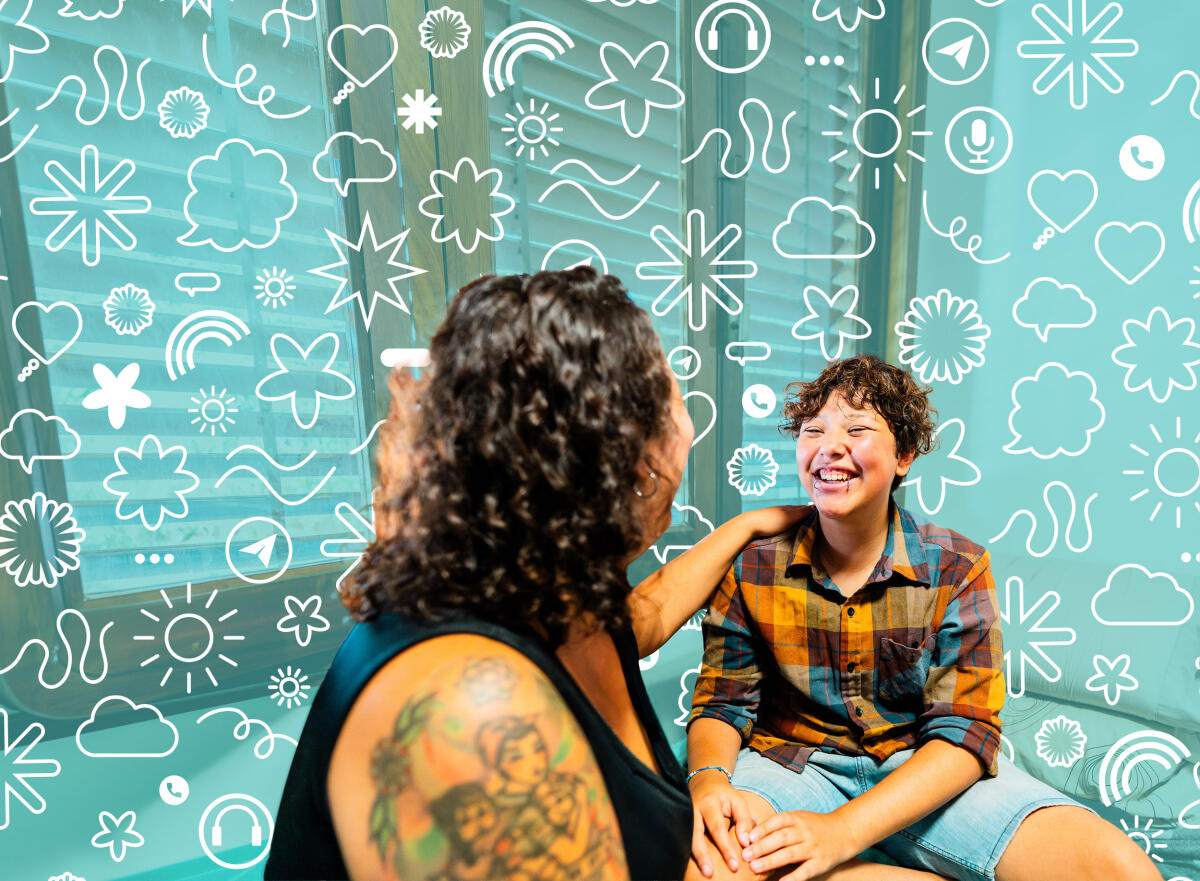
Supporting Your Child's Gender Identity
A child's sex assigned at birth may not always align with how they understand or experience their gender. Gender identity is a deeply personal part of who someone is and reflects their sense of self.
As a parent, caregiver, or trusted adult, you play an important role in helping your child feel safe, valued, and accepted as they explore and express who they are.
Some things to remember:
- Listen to your child with openness and curiosity
- Let your child know they are loved and accepted, regardless of how they identify
- It's okay if you don't have all the answers straight away
- Gender identity can be a journey, and your child's understanding of themselves may evolve over time
- Respecting your child's name, pronouns, and identity can help them feel seen and supported
- Every child deserves to feel safe being their authentic self
Looking After Yourself While Supporting Your Child
It's normal to experience a range of emotions as you learn more about your child's experiences. You may have questions, concerns, or need time to process what this means for your family.
Here are some ways to support both yourself and your child:
Learn more about gender diversity
Accessing reliable information can help you better understand your child's experiences and provide informed support.
Keep communication open
Let your child know they can talk to you. Even if you don't fully understand everything they're feeling, listening without judgement can make a significant difference.
Seek support when needed
You don't have to navigate this alone. Professional support services, counsellors, and family support organisations can provide guidance and reassurance.
Focus on connection
One of the most powerful things you can do is maintain a strong, loving relationship with your child. Knowing they are accepted and supported at home can have a positive impact on their wellbeing.
Remember, every young person deserves to be treated with dignity and respect. It's not okay for anyone to pressure, discriminate against, or bully a child because of their gender identity or expression.
If your child is experiencing bullying, discrimination, or harassment, seek support from trusted professionals, their school, or relevant support services.
Helpful resources:
Your support, understanding, and willingness to listen can make a lasting difference in your child's life.